

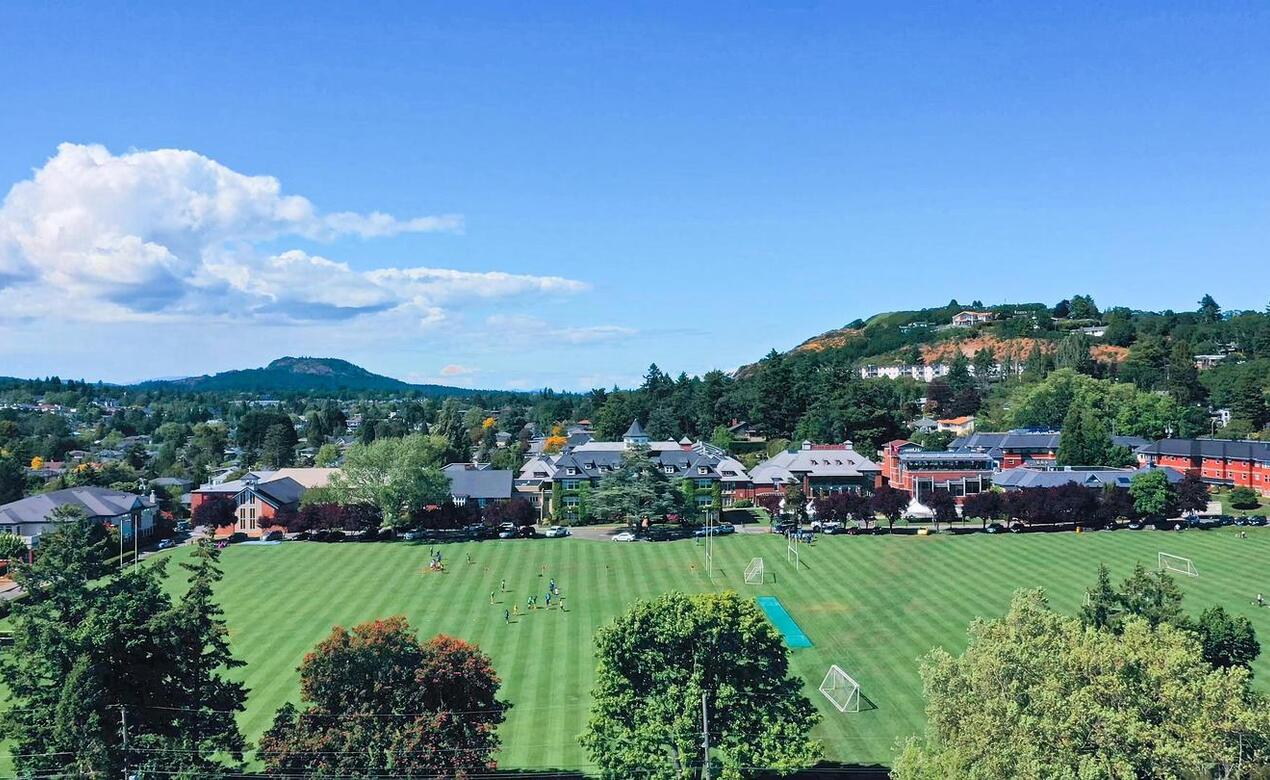
Many who walk across the Richmond Road campus of St. Michaels University School admire its beauty: the canopy of mature trees, the shifting seasonal colours and the sweeping fields framed by gardens and pathways. What is less visible is the careful planning, collaboration and environmental knowledge shaping those spaces.
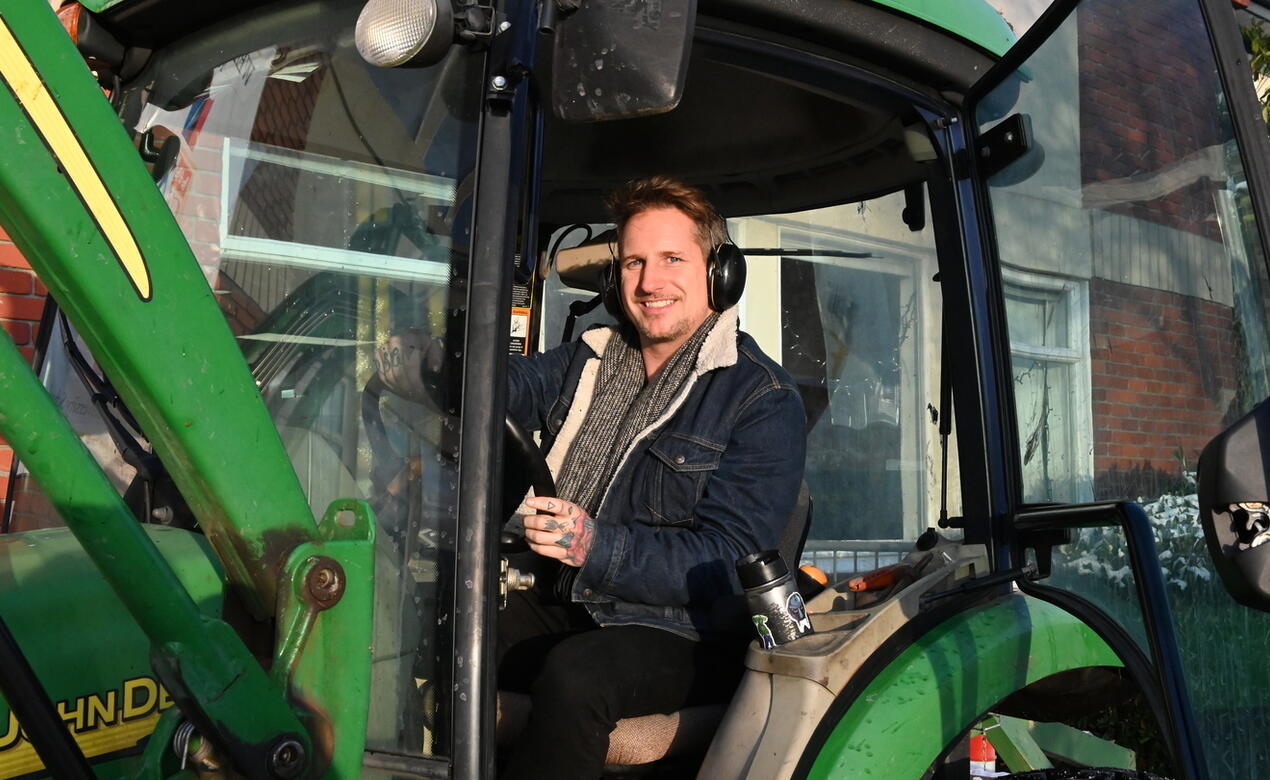
At the centre of that work is long-time groundskeeper Colin Craveiro, who has spent the past 14 years tending and studying the campus landscape. He works in close partnership with Grounds Supervisor Cathy Beglau, with whom he makes many of the decisions guiding the school’s gardens and green spaces. Colin brings a depth of horticultural and ecological knowledge that far exceeds what many people associate with groundskeeping, revealing a campus shaped with intention, respect and a deep understanding of place.
A Landscape Informed by Expertise
Colin’s understanding of the campus landscape is rooted in both science and lived experience. Before joining SMUS, he worked in municipal parks and on large-scale streetscape and irrigation projects, building his expertise through hands-on experience and ongoing professional learning. He knows which native plants thrive in coastal winds, which soils resist compaction, and which landscapes remain resilient through hot summers and heavy winter rains.
That understanding began early. Colin grew up on a small hobby farm in Metchosin, where working outdoors was part of everyday life. Gardening ran through generations on his father’s side of the family, and his grandfather in particular left a lasting influence. A tattoo on Colin’s hand — a rose paired with a straight razor — reflects that lineage. His grandfather believed precision mattered and used a straight razor to prune roses, a practice rooted in patience, care and close attention to the plant itself. Those values continue to inform Colin’s approach to working with the land.
Caring for the Land Responsibly
When people see Colin spraying the fields from his tractor, they may assume he is applying chemicals, but the reality is very different.
“We don’t use pesticides or herbicides here,” he explained. “A lot of what you see me using is actually sea kelp extract, and anything we apply is chosen to be safe for people, dogs and the environment.”
While granular fertilizer is still used in some smaller areas and occasional field applications, its use has been significantly reduced since the introduction of liquid spraying. Applying nutrients directly into the soil helps limit unnecessary additives and supports healthier waterways and surrounding ecosystems.
For Colin, landscape care is not static. It is about movement and flow, creating spaces that respond to their environment rather than imposing upon it.
Learning Through Partnership
Over the past year, that sense of place has deepened through ongoing relationships with Indigenous Elders and knowledge holders, particularly Kim Recalma-Clutesi of the Qualicum First Nation, who co-led an ethnobotany workshop for SMUS staff alongside renowned ethnobotanist Dr. Nancy Turner this fall. Kim continues to work closely with Colin and Cathy, helping guide the thoughtful incorporation of Indigenous plants and practices across the campus.
The ethnobotany workshop reinforced for Colin that plant knowledge is layered. Identification is only the beginning. Deeper understanding includes uses, harvesting protocols and, in some cases, sacred teachings and spiritual knowledge that must be approached with care and respect.
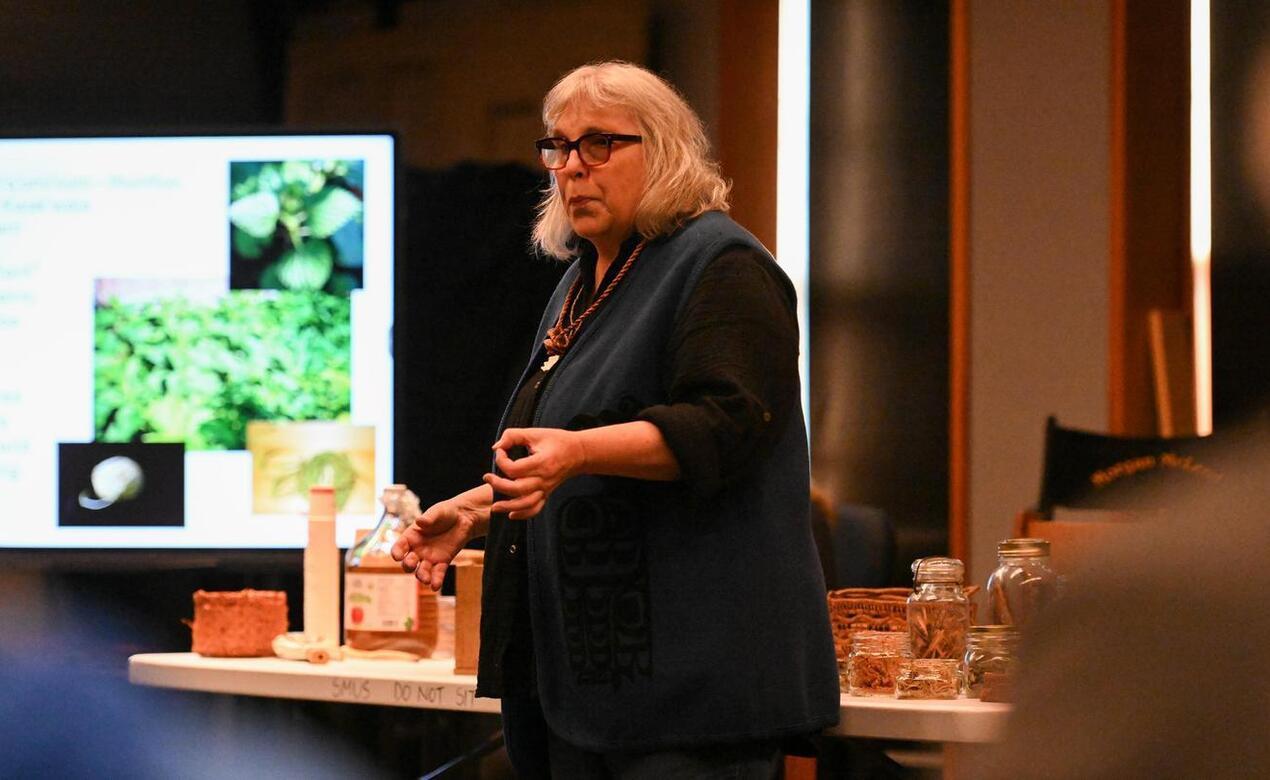
That learning has extended beyond the workshop itself and into ongoing collaboration. Cathy said the opportunity to work closely with Indigenous Elders has been especially meaningful as the school moves forward with new initiatives.
“The knowledge they hold is incredible, and I’m really looking forward to what the future brings,” she said. “After working here for 25 years, I’ve seen many changes to the campus and have been fortunate to be part of such a beautiful and ever-changing environment.”
Cathy also emphasized the collaborative nature of the work and the strength of the grounds team.
“Colin’s passion, skills and willingness to keep expanding his knowledge are very much appreciated in our small but mighty crew,” she said.
From Intention to Action
That perspective is already shaping visible change. The grounds team has begun reworking aging plantings and reimagining spaces with native species that reflect the land’s history and ecology. One recent example of transformation is the rain garden now taking shape in a low-lying section of the field in front of School House, which was developed during the Grade 10 Service Learning and Community Engagement Day in partnership with Peninsula Streams and Shorelines.
Guided by recommendations from a Campus Ecological Study, the project will help slow and filter stormwater before it reaches Bowker Creek, which flows beneath the Richmond Road campus. For Colin, initiatives like this reinforce that SMUS is part of a larger ecosystem, where decisions made on campus have wider environmental impact.
Imagining What Comes Next
Looking ahead, Colin described a campus where learning happens simply by moving through the landscape. He spoke about the potential for thoughtfully designed outdoor spaces that encourage curiosity, reflection and connection to the land, creating moments to pause and learn as part of everyday movement across campus.
“It would be amazing to create spaces that momentarily transport you,” he said. “That is the beauty of gardens. You are not just here, you are everywhere.”
For Colin, those moments of pause are where learning begins.
“If students, parents or visitors leave knowing something they did not before,” he said, “then learning is happening.”
While any future projects will require careful consultation and approval, long-held ideas are already beginning to move forward through collaboration between the grounds team and Indigenous partners, with plans taking shape for hands-on spaces that support learning across grades and the curriculum.
The SMUS grounds may look familiar, but they are becoming something more: a landscape shaped by collaboration, care and respect, one that honours the natural and cultural history of the land and invites everyone who walks across it to feel a deeper connection to the land and community that shape SMUS.


