
St. Michaels University School has been ranked No. 1 in British Columbia in the Fraser Institute’s latest school rankings, earning an overall score of 10 out of 10.
SMUS is one of 28 schools tied for the top position among 1,032 schools included in the 2026 elementary school report—and the only school on Vancouver Island to receive the highest possible score. Other leading independent schools sharing the No. 1 ranking include Crofton House School, St. George’s School, York House School and West Point Grey Academy in Vancouver.
The rankings are based on results from the provincial Foundation Skills Assessment, which evaluates the literacy and numeracy skills of students in Grades 4 and 7. The Fraser Institute also considers factors including the percentage of assessments that did not meet provincial expectations, differences between the results of male and female students in Grade 7, and student participation rates.
SMUS also received a five-year average rating of 10 out of 10, reflecting consistently strong results over time.
The results provide meaningful evidence of the School’s sustained focus on helping students develop strong foundations in literacy and numeracy. At SMUS, however, those skills are not developed in isolation. They are part of a broader educational experience designed to support children’s intellectual, social, emotional and physical development.
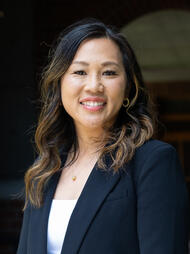
“It is validating to see our students’ strong literacy and numeracy foundations reflected in these results,” said Becky Anderson, Director of the Junior School (Junior Kindergarten to Grade 5). “But those foundations are developed as part of a much richer experience. In the early years, children are also discovering who they are, building relationships, developing confidence and curiosity, and beginning to understand their place in the world. Those elements are not separate from academic success—they are integral to it.”
From Junior Kindergarten through Grade 2, children learn through play, hands-on exploration and meaningful relationships. Grounded in a Reggio-inspired approach that sees children as capable and curious, teachers listen closely to the ideas and interests that emerge and create opportunities for students to explore them more deeply. Literacy and numeracy are woven naturally and intentionally into these experiences alongside creativity, innovation, collaboration, independence creating a lasting joy in learning. Digital technology is not part of student learning during these early years.
Beginning in Grade 3, students are gradually introduced to digital tools and skills with purpose and in ways suited to their development. From there, digital literacy, innovation and technology build progressively through the Junior, Middle and Senior Schools, supporting increasingly complex opportunities for inquiry, critical thinking, collaboration and problem-solving.
“The Grade 7 results reflect both the strength of the foundation students bring with them and the way their learning continues to deepen in Middle School,” said Richard Brambley, Director of the Middle School (Grades 6 to 8). “Students apply their literacy and numeracy skills in increasingly complex ways while developing greater independence and confidence as learners. They are encouraged to think critically, collaborate, create and take greater ownership of their learning.”
The Fraser Institute rankings measure a specific set of academic outcomes and do not capture the full experience or character of a school. They cannot measure a student’s sense of belonging, the confidence to try something unfamiliar, the discovery of a passion in the arts or athletics, or the relationships that help a young person grow.
These elements are not additions to a SMUS education. Together with strong academics, they are what make it exceptional.
Rankings can offer families one useful point of information when considering a school, but they are only one measure. Visiting a school, meeting its people and understanding how students experience learning and community remain essential parts of choosing the environment in which a child will thrive.
SMUS is proud to have its students’ academic achievement recognized through this year’s results. It is equally proud of the curiosity, creativity, character and sense of belonging that cannot be represented by a ranking—and of the well-rounded young people its students are becoming.
Fraser Institute Rankings: STORY | REPORT CARD | RANKING PAGE