
At St. Michaels University School, building belonging is an ongoing commitment shaped by many areas of work across the School. It is expressed in classrooms, co-curricular programs, advisory conversations, and professional learning. More recently, this work has been guided by the School’s Equity, Diversity and Inclusion Plan, which identifies belonging and student wellbeing as central priorities. One important part of this effort focuses on strengthening how students and educators recognize, understand, and respond to racism, helping ensure students feel safe, respected, and able to thrive.
“There is no single blueprint for building belonging in a school as globally diverse as SMUS,” says Keith Driscoll, Director of Boarding, who has 250 boarding students under his care. “We bring together students from many cultures and perspectives each year, and that requires intention and ongoing learning. This work reflects our responsibility to strengthen community here, and to help students carry those skills with them beyond SMUS.”
Rather than addressing issues only when they arise, this work focuses on building understanding over time. It recognizes that racism can sometimes be subtle, and that developing awareness and confidence across the whole community helps create stronger conditions for belonging.
Building Understanding and Confidence
Over time, SMUS has worked to strengthen a culture of belonging across the school. In recent years, this work has become more intentional, including engaging experienced local organizations to support learning for both faculty and students.
In February 2025, Middle and Senior School faculty participated in anti-racism workshops facilitated by the Coastal Research, Education, and Advocacy Network (CREAN). These sessions focused on helping educators recognize racism, understand its impact in school settings, and strengthen their ability to respond in thoughtful and supportive ways.
Through 2026, that work continued as faculty and staff across all three schools participated in professional learning sessions with the Inter-Cultural Association of Greater Victoria (ICA). These sessions explored cultural intelligence, communication across difference, and practical strategies for responding to moments that may affect a student’s sense of belonging. ICA is set to return in September 2026 to facilitate further bystander and upstander training, supporting faculty in building confidence and clarity in real-time response.
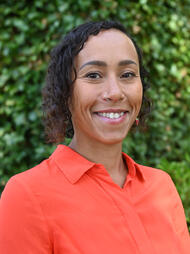
“Recognition is only the first step,” says Dacia Douhaibi, EDI Coordinator at SMUS. “The deeper work is building the confidence and shared responsibility to respond in ways that protect belonging, for students and for one another.”
Learning Together Across the School
Students are engaged in this learning as well. Last year, Middle and Senior School students began working with CREAN in peer-facilitated sessions focused on identity, bias, and creating inclusive peer environments. CREAN’s model draws on local research and lived experience, and workshops are co-facilitated by trained youth educators, allowing students to engage with the material in ways that feel relevant and relatable.
In the Junior School, this learning looks different but is no less intentional. Through community time, classroom conversations, and carefully chosen stories, younger students are introduced to themes of respect, empathy, and standing up for others in age-appropriate ways. Earlier this year, Chaplain Keven Fletcher read Desmond and the Very Mean Word to mark the beginning of Black History Month, using the story to open thoughtful conversations about language and kindness.
“As educators of young children, our role is to introduce big ideas in ways that feel accessible and safe,” said Fletcher. “Stories give students a framework to understand fairness, empathy, and belonging in ways that meet them where they are.”
This May, students in Grades 6–10 will participate in the next phase of CREAN’s programming, continuing the developmental progression of this work. By engaging students across multiple years and grade levels, the school reinforces that belonging is strengthened over time through practice, reflection, and shared expectations.
“Belonging does not happen by accident,” adds Douhaibi. “It grows when students and adults learn together, develop a common language, and feel prepared to act when something does not align with our values.”
This work is one part of SMUS’s broader commitment to fostering a school culture grounded in respect, dignity, and care. Through professional learning, student engagement, and the use of trusted community expertise, the school continues to strengthen the conditions that allow every student to feel seen, supported, and part of the community.
Building belonging is ongoing work. It evolves as the community grows and strengthens when learning is shared across classrooms, staff rooms, and student spaces alike.
Ali Baggott